
EICR Codes Explained
What C1, C2, C3 and FI Actually Mean on Your Report

An EICR comes back covered in codes, and most people are handed one with no explanation at all. The codes are not a scoring system and they are not all equally serious. Understanding them is the difference between panicking about a long report that is mostly advisory and ignoring a short one that contains something genuinely dangerous. Here is what each code means, in plain English, from an electrician who writes these reports every week.
The Four Codes
There are only four things an observation can be marked as. C1 means danger is present. C2 means potentially dangerous. C3 means improvement recommended. FI means further investigation is required. That is the whole vocabulary. Everything else on the report is description. A report is judged unsatisfactory if it contains any C1, any C2 or any FI. A report full of C3 items and nothing else is still a satisfactory report.
C1: Danger Present
C1 means someone could be hurt right now. Exposed live parts, a broken accessory with conductors accessible, that sort of thing. A responsible electrician does not leave a C1 in place and walk away. We will make it safe before we leave, or isolate that part of the installation and tell you clearly what we have done and why. C1 items are rare, but when they appear they are the most important line on the report.
C2: Potentially Dangerous
C2 is the code that causes the most confusion. It means the situation is not dangerous at this moment, but it could become dangerous. A missing earth on a circuit is the classic example: everything works normally until a fault occurs, and then there is nothing to protect anyone. C2 items make a report unsatisfactory and they have to be put right. For a rented property that means within twenty eight days of the report.
C3: Improvement Recommended
C3 means the installation does not meet the current standard, but it is not unsafe. Older installations collect C3 items simply because standards have moved on since they were wired, and that is normal rather than alarming. You do not have to act on a C3, and a report containing only C3 items is satisfactory. Be wary of anyone presenting a list of C3 items as urgent work that must be done immediately.
How to Read Your Report
Check the Overall Verdict First
Satisfactory or unsatisfactory is stated plainly near the front. That single word tells you whether action is legally required.
Then Look for C1 and C2
These are the items that have to be dealt with. Everything else is either advisory or a request for more investigation.
Treat FI Seriously
Further investigation is not a soft code. It means something could not be determined and needs looking into before it can be cleared.
Do Not Panic at Length
A long report is not automatically a bad one. Older properties collect C3 observations, and those do not make the installation unsafe.
Why Reports Get Misread
Codes Applied Inconsistently
Different inspectors sometimes code the same finding differently. The written description matters as much as the letter beside it.
C3 Sold as Urgent
The most common problem we see is advisory items presented as compulsory work. If someone cannot explain why an item is C2, ask again.
Nobody Explains It
Plenty of reports are emailed over with no conversation at all. The report is a technical document and it deserves a translation.
Fear Used as a Sales Tool
A report should describe an installation, not frighten you into a rewire. That is why we quote remedial work separately from the inspection.
Frequently Asked Questions
Does one C2 mean I need a full rewire?
Almost never. A C2 is a specific observation about a specific part of the installation, and the fix is usually a specific repair. Rewiring an entire property because of one or two C2 items is rarely justified, and you are entitled to ask exactly why it would be necessary.
How long do I have to fix C1 and C2 items?
For a rented property the law gives you twenty eight days from the date of the report, or less if the report specifies a shorter period. For your own home there is no legal deadline, but a C2 is a genuine safety issue and it is not sensible to leave it.
Can I use a different electrician for the remedial work?
Yes, and you should feel free to. The report belongs to you. Any competent electrician can carry out the work and provide confirmation that it has been done. We deliberately quote remedial work separately so the report can be trusted on its own.
Have Your Report Explained
If you have an EICR you do not understand, or you have been quoted for work you are not sure you need, we are happy to talk it through. We carry out testing across Bridgwater, Taunton, Weston-super-Mare, Burnham-on-Sea and the wider Somerset area, and every report we produce is explained rather than simply emailed over. We are NAPIT registered with over eighteen years of experience.

Customer Reviews
3 quick simple steps

Give us a call or message us on WhatsApp, we're ready to help anytime.

We'll give you a free quote by phone or arrange a home visit if needed.

Once approved, we'll complete the job safely, efficiently and to NICEIC NAPIT standards.
Quick & Simple!
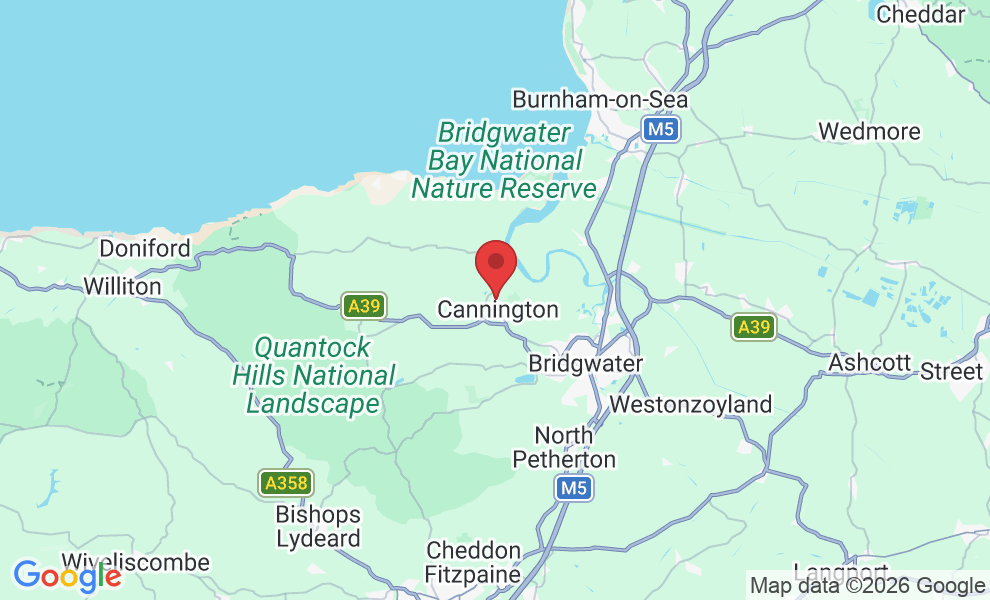
Proudly serving Bridgwater & all surrounding areas

Don't Get Any Electrician - Get Your Trusted Local Expert You Can Reply On!
© Copyright 2026 NIC ELECTRICAL CONDITION REPORTS. Peacock Cottage, 35 Rodway, Cannington, Bridgwater TA5 2PJ. Opening hours: 24 Hours. All Rights Reserved. This website is not affiliated with or part of Meta Platforms, Inc., Google LLC, or any of their affiliates or subsidiaries. Additionally, this site is NOT endorsed by Meta Platforms, Inc. or Google LLC in any way. ‘Facebook’ is a registered trademark of Meta Platforms, Inc., and ‘Google’ is a registered trademark of Google LLC. Created by Advantage Marketer © Copyright 2026.